

Electricity is one of the largest operating costs for Thai factories, warehouses, hotels and shopping centres. When tariffs rose sharply in 2022 and 2023, many firms saw their monthly bills climb fast. That pushed finance teams to look for ways to control energy spending over the long term.
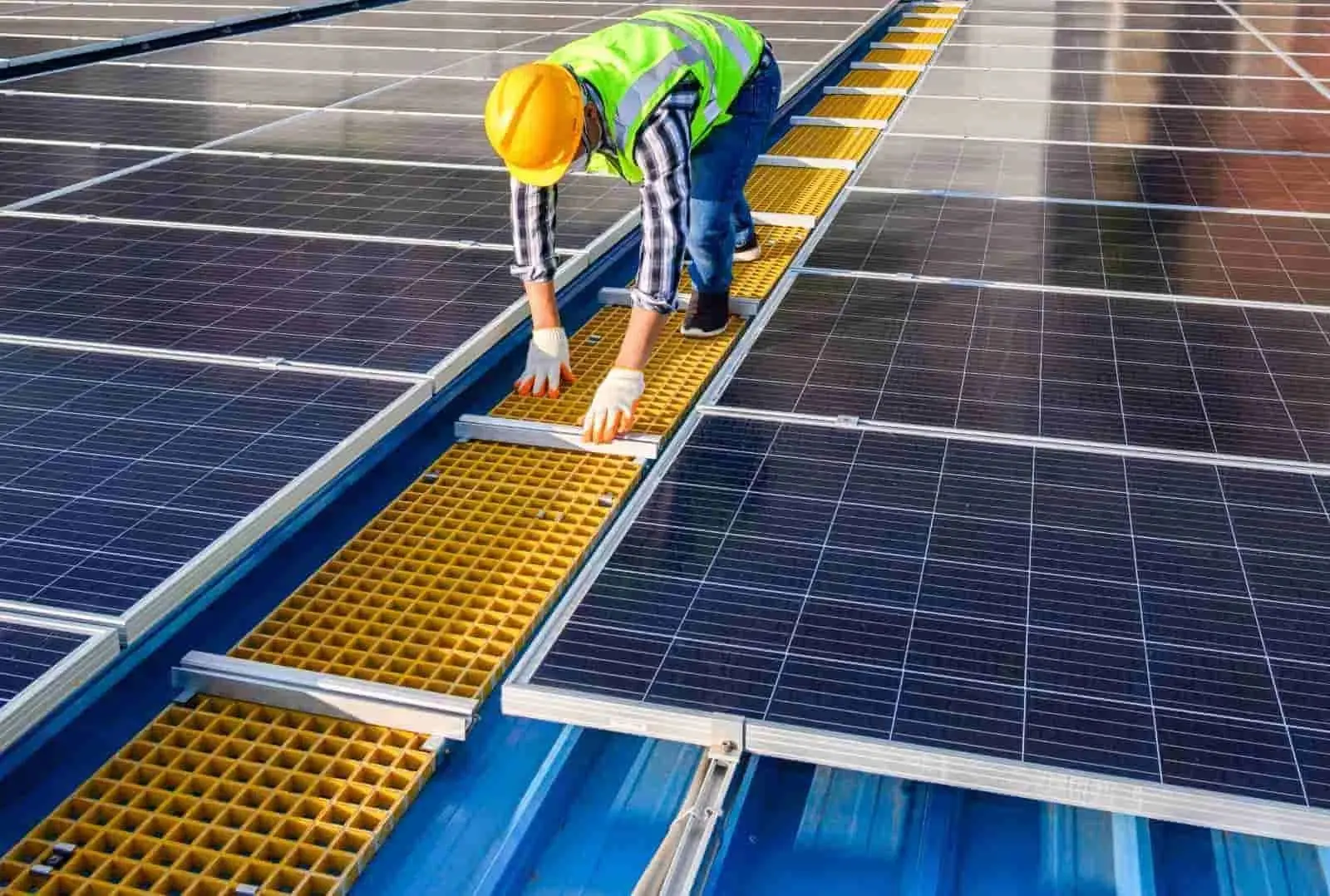
One option gaining ground is the solar power purchase agreement. Under a private PPA in Thailand, a developer installs, owns and maintains a solar system on a client’s rooftop, carport or nearby land. The client pays only for the electricity the system produces, usually at a discount to the grid tariff.
Interest in private PPA solutions across Thailand has grown steadily as more firms compare this model with buying all their power from the grid or purchasing panels outright. Below are the main reasons.
No Upfront Capital
A commercial solar system can cost millions of baht. With a PPA, the developer covers design, equipment, installation and permits. The business keeps its capital for core operations, expansion or debt reduction. For small and mid-sized manufacturers, this removes the biggest barrier to going solar.
More Predictable Energy Costs
Thai grid tariffs include the Ft charge, a variable component that moves with fuel costs. This makes budgeting difficult. Many solar PPAs set a fixed rate or a fixed discount for 15 to 25 years. Finance teams gain a clearer view of future costs and less exposure to fuel price swings.
Strong Solar Resource
Thailand receives high solar irradiation throughout the year. Industrial estates in provinces such as Chonburi, Rayong and Samut Prakan have large, flat roofs that suit rooftop arrays. Solar output also peaks during working hours for most factories and offices, so most of the power is used on site.
No Maintenance Burden
The developer handles cleaning, monitoring, repairs and inverter replacements. Contracts often include performance guarantees, so the provider must fix any drop in output. This suits businesses without in-house energy engineers.
Pressure to Cut Emissions
Thailand has committed to carbon neutrality by 2050 and net zero by 2065. Exporters face growing demands from overseas buyers, particularly in Europe, to report and reduce emissions. The EU’s Carbon Border Adjustment Mechanism adds pressure on sectors such as steel and aluminium. Solar PPAs give companies a measurable way to lower Scope 2 emissions and support sustainability reporting.
Supportive Policy Direction
In recent years, authorities have simplified permit rules for rooftop systems, and green electricity options have emerged for buyers wanting certified clean power. Investment promotion measures have also supported renewable adoption. Rules and incentives change, so confirm the current framework before committing.
Points to Check Before Signing
A PPA is a long-term contract. Review these terms carefully:
- Contract length and early termination clauses
- Tariff structure and any annual escalation
- Ownership transfer at the end of the term
- Roof condition and building lease periods
- Performance guarantees and insurance cover
- Current permit, grid connection and incentive rules
The Bottom Line
Solar PPAs give Thai businesses access to cleaner, lower-cost power without upfront spending or technical risk. With rising energy demand, national climate targets and export pressure, more firms now see this model as a practical route to stable, long-term energy supply.
