

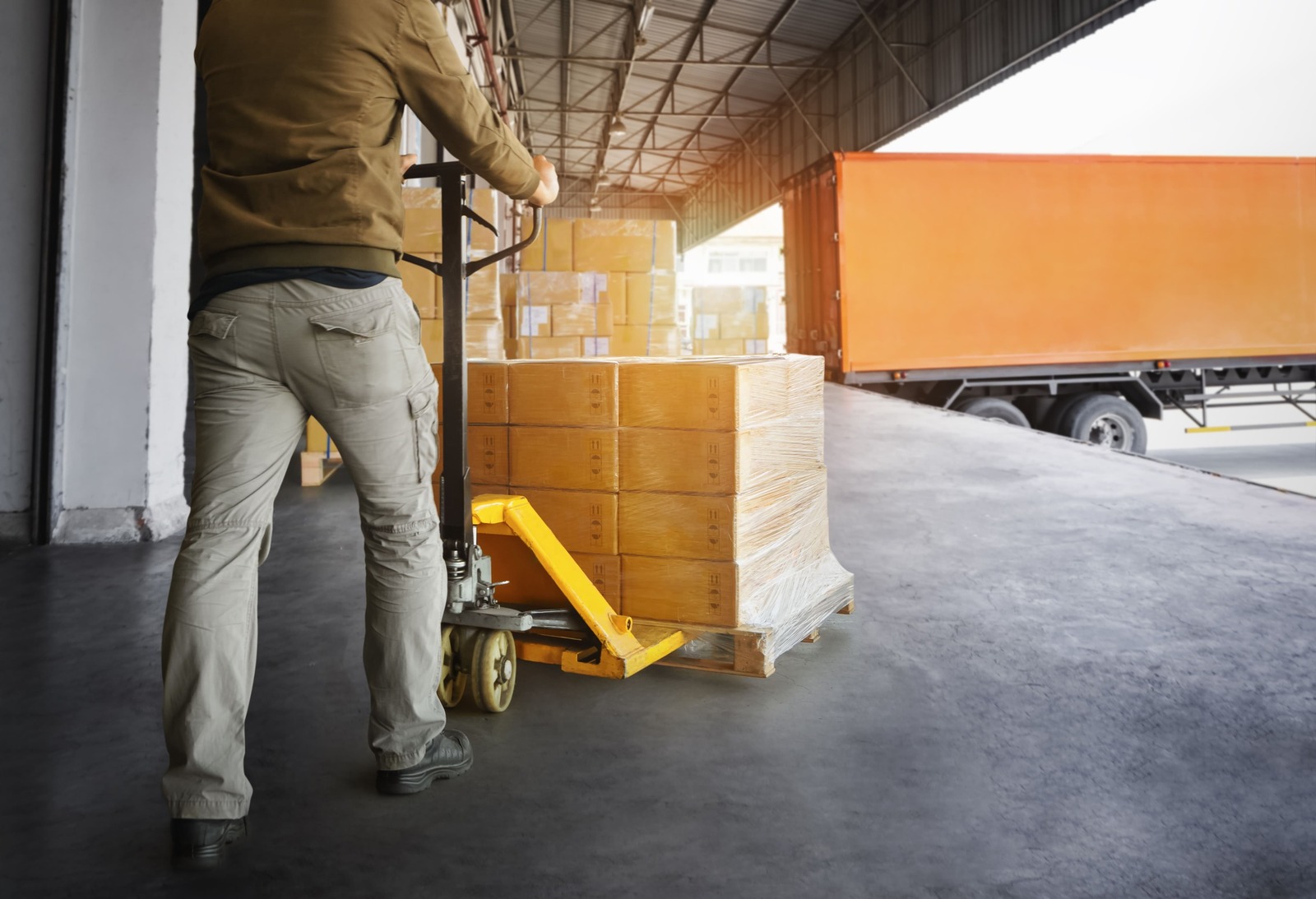
Your pallet weighs on every invoice you pay. If the platform itself is heavy, you pay to move wood instead of product on each leg. Tare weight deserves the same attention as freight rates.
We see this mistake in warehouses each week. Teams haggle over linehaul rates while continuing to use pallets that may be heavier than the job requires, and no one questions it.
The pallet is a recurring freight charge
Tare weight is the empty weight of the pallet itself. It never earns revenue, yet you ship it on each trip. Even a modest reduction per pallet can add up when you move hundreds of pallets each month, provided freight charges are affected by gross weight.
We don’t buy pallets once and forget them. We’ve paid for that tare weight on each outbound leg and again on each return.
Think of the pallet as part of your cost per shipment and your everyday cost base. Compare the empty weight of the pallet you use with that of alternatives rated for the same load. A lighter option may reduce weight-based charges, while a timber-composite pallet made with new and reclaimed boards may offer value through its construction rather than a guaranteed lower tare weight. The useful comparison is the total cost of the trip.
Sign 1: trucks hit weight limits while space sits empty
Your trucks scale out before they cube out. That means you hit legal gross-weight limits while floor space and height remain unused. Drivers tend to report it first. Dispatch sees it as short loads that still cost the full rate.
Density-based pricing needs a careful look. A heavier pallet increases the weight and therefore the density of a consignment if its volume stays the same; it does not reduce density. Whether that changes the rate depends on the carrier’s tariff. Extra pallet weight can still raise gross-weight charges or bring a truck closer to its legal weight limit.
Weight and cube utilisation are different constraints. If pallet tare weight uses up your gross-weight allowance, you cannot load as much product even when physical space remains. Over a month, that lost capacity can force an extra movement you did not plan for.
We hear this from managers who ship insulation and soft goods. Their pallets weigh more per kilo than much of the load they carry.
Fuel follows the same curve. Heavier gross weights burn more diesel on each kilometre. Shippers rarely split fuel costs by pallet weight, but the expense still sits in the rate.
Sign 2: air freight bills punish heavy platforms
Air freight exposes tare weight without mercy. Melbourne Airport at Tullamarine handles high-value Victorian exports where each kilo lands on the air waybill. A heavy pallet leaves no place to hide the extra weight.
Carriers commonly bill air freight on chargeable weight, which is the greater of gross weight and volumetric weight. A commonly used volumetric conversion is around 167 kg per cubic metre, although the carrier’s rules need checking. Take a 1.2 m by 1.0 m by 1.5 m consignment. At that conversion, its volumetric weight is about 300 kg regardless of what the pallet weighs.
A heavy pallet pushes up the gross side without adding to the goods being shipped. If a suitably rated replacement really does weigh less, that difference reduces the gross weight on each unit. It affects the freight charge only when gross weight, rather than volumetric weight, determines the bill. Weigh the actual pallets before assuming a saving.
Teams that fly light parts and printed goods feel it most. They can’t change DIM rules, so they change what they can control.
Sign 3: empty pallets wear your team down
Watch what happens at knock-off when someone stacks empties. A pallet that is heavy or awkward to handle can be difficult to flip and drag. Staff may twist to get their fingers under stringers, and repeated handling can build strain across a shift.
We have a duty to reduce manual handling risk. Where the specification permits, a lighter platform can reduce the load during handling. Weight is only one factor, though: grip, lifting technique, equipment and safe procedures also matter.
If your incident log shows repeated strains around pallet handling, don’t blame fitness. Look at the unit weight.
If you are considering a lighter pallet, test a few units on the warehouse floor. Check how easily staff can move empties and whether the proposed design still suits the goods and handling equipment.
Sign 4: export loads stall on timber rules
Wood packaging used for international shipments may need treatment and marking under ISPM 15, depending on the material and destination. A missing or illegible mark can lead to inspection or delays. Do not assume that a product labelled composite is automatically exempt.
At the Port of Melbourne, a compliance hold can be expensive. Containers may sit while inspectors check marks and paperwork. Delays can generate storage charges and, in serious cases, non-compliant packaging may require treatment or replacement.
Buyers searching for Lightweight Pallets Melbourne may also be weighing up timber-composite pallets made from new and reclaimed boards. Those designs contain solid wood, so any applicable ISPM 15 treatment and marking requirements still need to be checked.
For export lanes, check the importing country’s rules and obtain the treatment and marking evidence needed for the actual pallet construction. The right material and compliant paperwork help avoid preventable border delays; changing the marketing description of the pallet does not.
Sign 5: pallets leave and never come back
Export consignments from Melbourne can involve one-way pallets that never return. When a pallet sails out with the goods, its purchase cost goes with it. Some receivers dispose of the pallet on arrival, while others reuse it before scrapping it.
That’s an expensive goodbye.
Reconditioned timber can be economical at purchase. The important question is condition: inspect the boards, bearers and stated load capacity rather than assuming every reclaimed pallet performs alike. A low purchase price offers little value if the unit cannot meet the handling demands of the trip.
Pooled pallets from systems such as CHEP or Loscam can seem like the answer to one-way loss. You rent and ship while the pool chases the return. Rental fees still accumulate per trip, and empty returns need trucks and administration. Lost units also trigger replacement charges that sting.
Owning suitable pallets changes that logic. Timber-composite units that combine new and reclaimed boards can be a cost-effective alternative to fully new timber, without any assumption that they are unusually light. For one-way exports, compare actual pallet prices, ratings, treatment requirements and the likelihood of recovery before choosing a model.
What the right pallet changes on cost per trip
Put the tare-weight calculation on a sound footing. If one suitable pallet weighs 5 kg less than another, a consignment of 20 such pallets carries 100 kg less pallet weight. That is an example of how to calculate the difference; your real figures depend on the models you weigh.
Multiply the measured weight difference by the applicable freight rate only when your carrier charges on gross weight. If volumetric weight or a fixed price determines the invoice, a lighter pallet may make no difference to the bill. For road movements, weigh possible capacity gains against pallet price, handling and any return or disposal charges.
Light does not automatically mean weak, but composite does not automatically mean light. Pallet construction and rated capacity must be assessed separately. For example, a Melbourne supplier lists a timber-composite model with a 1,200 kg capacity and a separate lightweight pallet rated for 500 kg. Choose a model based on the load it must carry and check the supplier’s guidance for handling and storage.
The real test is what you ship. A platform designed for machinery may provide more capacity than cartons of apparel or food packs require. But weight alone is not the decision: confirm the pallet’s load rating, footprint and suitability for forklifts, stacking and transit before switching.
We don’t need pallets rated for engine blocks to move cereal boxes. We need consistent size and enough stiffness at a low weight.
Buying near Melbourne can help with lead time and freight on bulky stacks of pallets. Check that the proposed footprint suits your racking, aisles and forklift-entry needs rather than assuming every composite design will fit. The 1,165 mm by 1,165 mm footprint used by many Australian pallets is a useful starting point for comparison.
Look at your last freight invoice line by line. If gross-weight charges are significant, unnecessary pallet weight may be costing you money. Where volumetric weight or density bands apply, the effect depends on the carrier’s specific rules; they do not always reward lighter tare. A measured comparison is more useful than assuming a set saving per pallet.
Published load capacities deserve the same attention as empty weight. Static storage, movement by forklift and use in racks do not necessarily impose the same demands. Check the stated capacity, load distribution and any racking restrictions for the exact pallet model before you make a judgement.
Local stock may also reduce supply delays on urgent jobs. Ask a Melbourne supplier what is available and when it can be delivered before reducing safety stock. Reliable replenishment can help keep less cash tied up in spare pallets.
How to test your operation this week
Don’t guess at tare weight. Put a scale under your current pallet mix. Weigh five hardwood units straight from the stack and note the spread. You’ll quickly see why averages can mislead.
Pull three recent invoices. Circle the weight-driven lines and compare them with service fees. If weight wins each time, flag it. Then walk the floor and ask the people who flip empties. Their answers will tell you more than a spec sheet.
Check export files for HT stamps and holds. One hold at the Port of Melbourne can wipe out months of pallet savings. Count how many pallets left last quarter and never returned. That count puts your one-way problem into plain numbers.
We’ve run this check with teams that swore pallets didn’t matter. Their view changes when the scale and invoice point in the same direction. Numbers beat habit each time.
Poorly matched pallets can add avoidable freight and handling costs, while export marking problems create a separate compliance risk. Weigh the units, check the ratings, then read the invoices and shipping requirements.
Count your one-way losses. The right pallet should support the load, fit your handling systems and meet the destination’s requirements at a sensible total cost. That is what a better pallet decision buys.
