

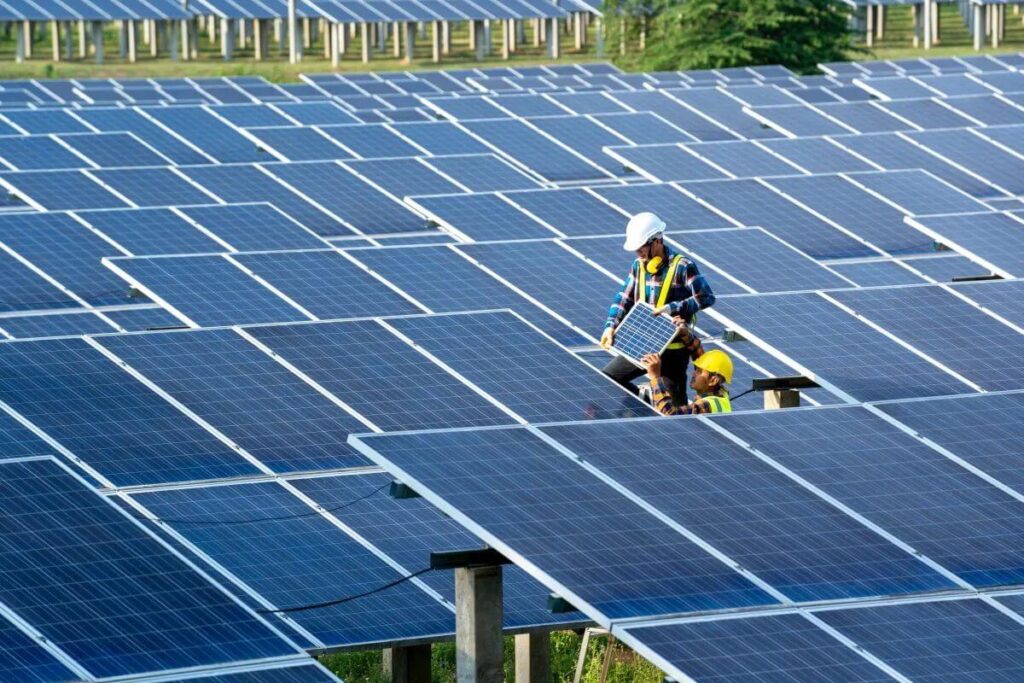
The global transition toward renewable energy is no longer a distant goal but a present-day reality. At the forefront of this shift is solar power, a technology that harnesses the most abundant energy source available to humanity: the sun. Solar panels, once considered a niche or expensive alternative, have evolved into a primary pillar of modern infrastructure. Understanding how these systems work, their economic impact, and the nuances of installation is essential for anyone looking to participate in the green energy revolution.
How Solar Panels Convert Sunlight into Electricity
To appreciate the efficiency of modern solar panels, one must look at the physics of the photovoltaic (PV) effect. Most solar panels are composed of crystalline silicon, a semiconductor material that allows for the flow of electrons when exposed to light.
The Photovoltaic Process
When photons from sunlight strike a solar cell, they transfer energy to electrons in the silicon atoms. This energy “excites” the electrons, knocking them loose from their atomic orbits. The solar cell is engineered with two layers—p-type and n-type silicon—which create an internal electric field. This field forces the loose electrons to move in a specific direction, creating a flow of direct current (DC) electricity.
From DC to AC
The electricity generated by the panels is DC, but most American homes and the national power grid operate on alternating current (AC). This is where the inverter comes into play. The inverter is a critical component of any solar system, responsible for converting the raw DC output into usable AC power. Modern systems often use microinverters or power optimizers to ensure that each individual panel performs at its peak capacity, even if neighboring panels are shaded.
Types of Solar Panels Available Today
The solar industry has diversified significantly, offering different types of panels suited for various climates, budgets, and aesthetic preferences.
-
Monocrystalline Solar Panels: These are made from a single, pure crystal of silicon. They are easily recognizable by their dark, uniform color and rounded edges. Monocrystalline panels are the most efficient and have the longest lifespan, making them ideal for residential roofs with limited space.
-
Polycrystalline Solar Panels: These are created by melting multiple silicon crystals together. They have a blue, speckled appearance and are generally less expensive to produce than monocrystalline panels. While they have a slightly lower efficiency rating, they are a cost-effective choice for large-scale installations where space is not a constraint.
-
Thin-Film Solar Panels: Unlike the rigid crystalline panels, thin-film options are made by layering photovoltaic substances on a flexible substrate like glass, plastic, or metal. They are lightweight and versatile but typically require much more surface area to produce the same amount of power as silicon-based panels.
The Economic Benefits of Solar Adoption
The primary driver for solar adoption in the United States remains the long-term financial return on investment. While the upfront cost of solar can be significant, the reduction or total elimination of monthly utility bills provides a hedge against rising energy costs.
Net Metering and Grid Interaction
One of the most valuable financial mechanisms for solar owners is net metering. This policy allows homeowners to send excess electricity generated during the day back to the local power grid. In return, the utility company provides credits on the owners account, which can be used to offset the cost of electricity drawn from the grid at night. Essentially, the grid acts as a massive, virtual battery.
Federal and State Incentives
The Investment Tax Credit (ITC) is a significant federal incentive that allows homeowners and businesses to deduct a percentage of their solar installation costs from their federal taxes. Additionally, many states offer Renewable Energy Certificates (SRECs) or cash rebates that further lower the barrier to entry. These incentives have shortened the “payback period”—the time it takes for the energy savings to cover the initial cost of the system—to an average of six to nine years in many regions.
Environmental and Social Impact
Beyond the financial gains, the environmental argument for solar panels is indisputable. Conventional electricity generation relies heavily on fossil fuels, which release carbon dioxide, sulfur dioxide, and nitrogen oxides into the atmosphere.
Carbon Footprint Reduction
A typical residential solar system can offset approximately 100,000 pounds of carbon dioxide over 20 years. This is equivalent to planting thousands of trees or driving significantly fewer miles in a gasoline-powered vehicle. Furthermore, solar panels require very little water to operate, unlike nuclear or coal plants which need billions of gallons for cooling purposes.
Energy Independence and Reliability
Solar power contributes to decentralized energy production. When a large portion of a community generates its own power, the strain on the central grid is reduced. When paired with battery storage systems, such as lithium-ion home batteries, solar panels can provide backup power during grid outages, ensuring that critical appliances remain functional during storms or equipment failures.
Installation and Maintenance Considerations
A successful solar project requires careful planning and professional execution. The orientation of the roof, the local climate, and the age of the existing structure all play roles in the systems effectiveness.
Site Assessment
In the Northern Hemisphere, south-facing roofs are the gold standard for solar placement because they receive the most direct sunlight throughout the day. However, east and west-facing roofs are still viable and can often provide ample power for a household. Installers use specialized software to calculate “shading losses” caused by nearby trees or chimneys, ensuring the panels are placed in the most productive locations.
Structural Integrity
Solar panels add weight to a roof and are designed to last for 25 to 30 years. Therefore, it is often recommended to replace an aging roof before installing a solar system. If a roof has less than five to ten years of life remaining, the cost of removing and reinstalling the panels later can outweigh the immediate savings.
Routine Maintenance
Solar panels are remarkably low-maintenance because they have no moving parts. In most climates, rainfall is sufficient to wash away dust and pollen. However, in arid regions or areas with high pollution, a periodic cleaning with water and a soft brush can improve efficiency by 5% to 10%. Monitoring systems, usually accessible via smartphone apps, allow owners to track real-time production and receive alerts if a specific panel or inverter is underperforming.
Future Trends in Solar Technology
The solar industry is characterized by rapid innovation. Researchers are currently working on “perovskite” solar cells, which promise even higher efficiencies and lower manufacturing costs than traditional silicon.
Another emerging trend is Building-Integrated Photovoltaics (BIPV). Instead of mounting panels on top of a roof, BIPV incorporates solar cells directly into building materials like roof shingles, windows, and facades. This allows for a more seamless aesthetic while turning the entire envelope of a building into a power-generating surface.
As battery technology continues to improve and prices drop, the combination of solar and storage will likely become the standard for new home construction, moving the world closer to a truly sustainable energy infrastructure.
Frequently Asked Questions
Does a solar panel system still generate electricity during a cloudy day?
Yes, solar panels can still produce electricity on cloudy days, though their output is reduced. They utilize both direct and diffuse sunlight. While a bright, sunny day is optimal, panels can still operate at roughly 10% to 25% of their rated capacity even when the sky is overcast.
What happens to solar panels at the end of their lifespan?
Solar panels are highly recyclable. As the first generation of mass-installed panels reaches the end of its 30-year life, recycling facilities are expanding to recover valuable materials such as glass, aluminum, and high-purity silicon. Many manufacturers are now implementing “take-back” programs to ensure responsible disposal and material reuse.
Do solar panels work during a power outage?
Standard grid-tied solar systems are designed to shut off during a power outage for safety reasons. This prevents the system from sending electricity back into the lines while utility workers are making repairs. To have power during an outage, a system must be equipped with a battery backup and a “smart” inverter capable of isolating the home from the grid.
Will installing solar panels increase my property taxes?
In many US states, there are property tax exemptions for renewable energy installations. This means that while solar panels typically increase the market value of your home, you may not be taxed on that added value. It is important to check local state and municipal regulations regarding solar property tax incentives.
How do solar panels perform in extreme weather like hail or snow?
Solar panels are built to be incredibly durable. Most are tested to withstand one-inch hail traveling at 50 miles per hour. In snowy conditions, the dark surface of the panels helps melt snow quickly. Furthermore, because panels are tilted, snow usually slides off once the bottom edge begins to melt, and the cold temperatures can actually improve the efficiency of the electrical conversion.
Can I install solar panels if I have a flat roof?
Yes, solar can be installed on flat roofs using a specialized mounting system called a “ballast mount.” These systems tilt the panels at an optimal angle toward the sun and are weighted down rather than being bolted through the roof membrane, which helps maintain the roofs waterproofing.
Is it better to lease solar panels or buy them outright?
Buying a system, either with cash or through a solar loan, generally offers a better long-term return because the owner retains all tax credits and incentives. Leasing allows for $0 down installation, but the leasing company keeps the tax credits, and the long-term savings are typically lower compared to ownership.
