

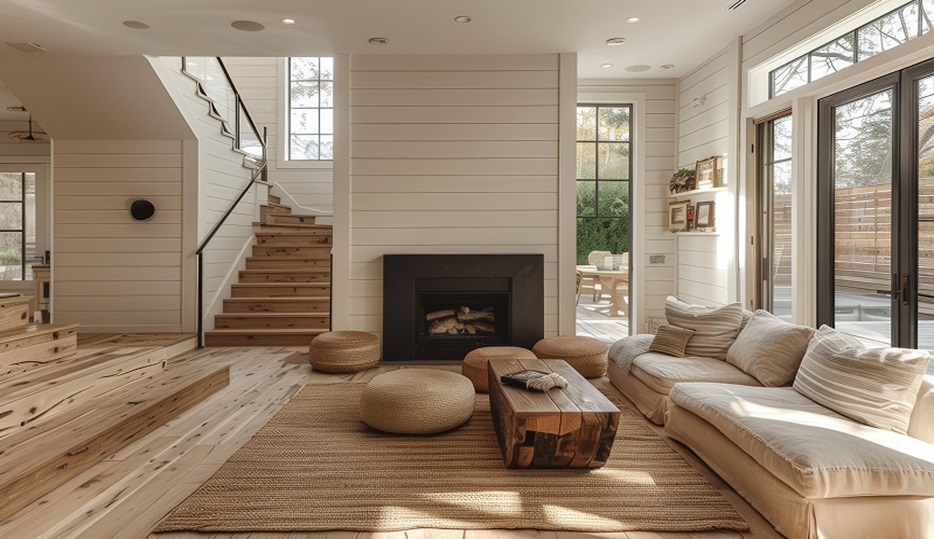
The Details Behind Quietly Luxurious Interiors
- Natural materials introduce texture, warmth and individuality, helping refined interiors feel inviting rather than overly formal.
- Layered lighting creates depth and allows rooms to shift between practical daytime use and a relaxed evening atmosphere.
- A restrained palette, carefully selected furnishings and thoughtful proportions create elegance without relying on excessive decoration.
- Successful high-end interior design balances visual appeal with comfort, durability and the needs of everyday living.
Why Does Understated Elegance Feel So Timeless?
Luxury does not always need to announce itself. A room can feel sophisticated through its proportions, materials and atmosphere without relying on elaborate ornamentation or expensive-looking finishes. Often, the most memorable interiors are those where every element feels considered, yet nothing appears unnecessarily complicated.
This approach places emphasis on quality, balance and restraint. A natural stone surface may become a focal point because of its distinctive veining, while timber panelling can bring warmth to an otherwise minimalist space. Carefully positioned lighting can highlight these details without overwhelming the room.
Rather than following every passing trend, understated elegance focuses on creating a coherent environment that remains comfortable and appealing over time. It also recognises that a beautiful home must function well. Generous circulation space, practical storage and comfortable seating matter just as much as decorative finishes.
How Can Natural Materials Add Warmth and Depth?
Natural materials introduce subtle variations that manufactured finishes may struggle to reproduce. Timber has individual grain patterns, stone carries distinctive markings, and linen offers a relaxed texture that changes with the light. These differences help a room feel layered and authentic, even when its colour palette remains simple.
The key is to choose materials that complement one another rather than compete for attention. Timber cabinetry, for example, can soften the visual weight of stone flooring or a marble feature wall. Linen upholstery and woven accessories can introduce a softer counterpoint to metal fittings and smooth glass surfaces.
Consider these combinations when planning a refined interior:
- Timber and stone: Pair warm wood tones with natural stone to balance organic warmth and visual solidity.
- Linen and brushed metal: Combine soft upholstery with subtle metallic details for a contrast in texture.
- Ceramics and wood: Use handmade-looking ceramic accessories to introduce character to clean-lined furniture.
- Natural fibres and neutral fabrics: Layer rugs, curtains and cushions to make minimalist spaces feel more inviting.
Material selection should also reflect practical requirements. In Singapore’s humid climate, homeowners should consider moisture resistance, ventilation, maintenance needs and the suitability of timber finishes. Natural stone may require appropriate sealing, while certain fabrics may need additional care in frequently used areas.
A thoughtful combination of appearance and performance helps preserve the interior’s character long after the renovation is complete.
What Makes Layered Lighting Essential to a Refined Interior?
Lighting can influence how people perceive colour, texture, proportion and even the size of a room. Relying on a single ceiling fixture often produces a flat result, whereas layered lighting creates variation and gives each area a clearer purpose.
A well-planned scheme usually combines three forms of illumination. Ambient lighting provides general visibility, task lighting supports specific activities, and accent lighting draws attention to selected features. Together, these layers allow homeowners to adjust the atmosphere throughout the day.
For instance, recessed ceiling lights can illuminate a living room evenly, while a floor lamp creates a comfortable reading corner. Wall lights or concealed LED strips can highlight textured surfaces, shelving or architectural details. Pendant lighting above a dining table can establish a focal point without making the surrounding space feel too formal.
Colour temperature matters, too. Warmer light often creates a relaxed atmosphere in bedrooms and living areas, while more neutral lighting may suit workspaces and task-oriented areas. Dimmers can offer additional flexibility, provided the selected fittings and controls are compatible.
Before finalising a lighting plan, consider the following:
- Identify the activities that take place in each area.
- Use natural daylight as part of the overall lighting strategy.
- Highlight distinctive materials or architectural features selectively.
- Avoid excessive brightness and harsh contrasts.
- Position switches and controls for convenient everyday use.
The aim is not to illuminate every surface equally. It is to create a comfortable visual experience that allows the room’s best features to emerge naturally.
How Do Colour, Proportion and Negative Space Create Elegance?
A restrained palette can make an interior feel cohesive, but elegance depends on more than choosing neutral colours. Proportion, contrast and the amount of visual space around objects also influence the final result.
Soft beige, warm white, taupe and muted grey can establish a calm foundation. Deeper shades, such as charcoal or forest green, may add definition when used selectively. Instead of introducing many colours, consider varying their intensity and combining them with contrasting textures.
Proportion is equally important. A large sofa may dominate a compact living room, while undersized artwork can appear lost above a substantial console. Furniture should relate to the room’s dimensions, leaving enough space for movement and allowing important features to remain visible.
Negative space, or the uncluttered area around furniture and decorative objects, gives the eye room to rest. It can make a room feel more composed and help selected pieces stand out. This does not mean removing everything personal. Books, artwork and treasured objects can contribute character when arranged with intention.
The result is an interior that feels complete without appearing crowded. Every item has a reason to be there, and the overall composition feels balanced rather than staged.
What Should Homeowners Look for in a High-End Interior Design Team?
Achieving this level of refinement requires coordination between materials, lighting, furniture, finishes and construction details. A high-end interior design project therefore benefits from a clear design direction and careful planning before work begins.
When comparing the top interior design companies in Singapore, homeowners should look beyond polished project photographs. Consider whether the design team understands your preferences, explains material choices clearly and can translate aesthetic ideas into practical solutions.
A useful portfolio should demonstrate consistency in execution as well as variety in style. Ask how the team approaches lighting plans, material samples, storage, budget management and coordination with contractors. Clarify the scope of work, project milestones and how changes will be handled once the renovation is under way.
It is also worth discussing long-term maintenance. A finish that looks striking in a photograph may not suit a busy household, especially if it scratches easily or requires extensive upkeep. Good design should account for how the home will be used, not just how it will look when newly completed.
For inspiration, homeowners can explore Jialux Interior’s guide to modern luxury interior design firms in Singapore. Reviewing different approaches can help clarify personal preferences and prepare more focused questions for a design consultation.
A More Considered Definition of Luxury
Natural materials, layered lighting and understated finishes work best when they support one another. Timber and stone add tactile depth, lighting reveals surface character, and thoughtful proportions keep the space from feeling overdesigned. Together, these decisions create an interior that feels sophisticated without sacrificing comfort.
The most successful high-end interior design is not simply about selecting premium materials. It is about understanding how people live, choosing details with purpose and creating an atmosphere that remains appealing beyond the initial reveal.
If you are planning a refined home and want to explore ideas that balance elegance with everyday practicality, contact Jialux Interior to discuss your design aspirations and the possibilities for your space.