

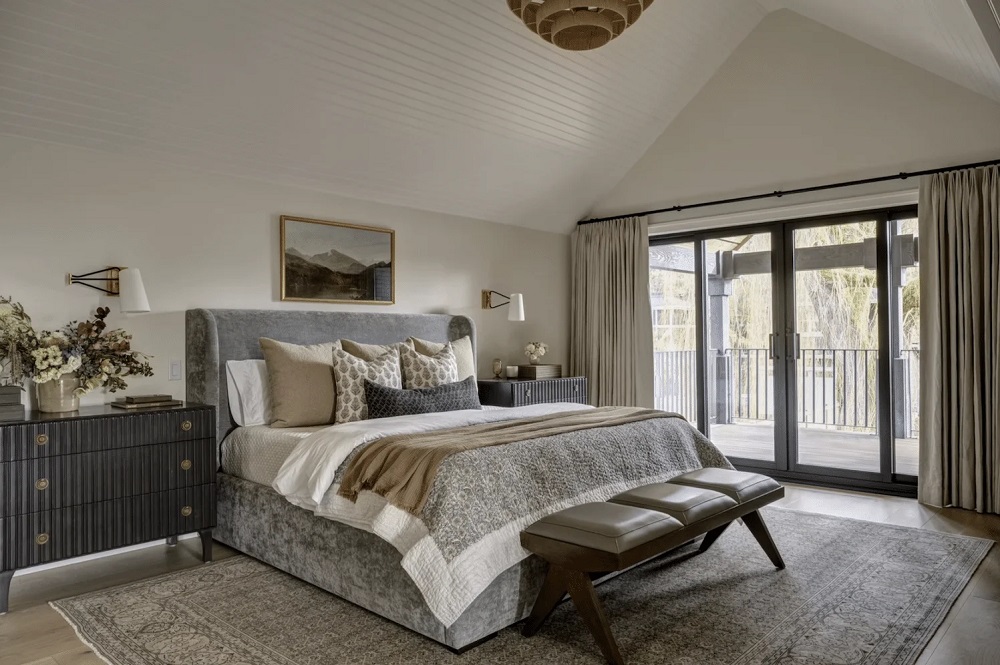
Creating a home that feels harmonious is less about making every room identical and more about establishing a visual narrative that flows effortlessly from one space to the next. Many homeowners struggle with the transition between a minimalist kitchen, a cozy bohemian living room, and a traditional bedroom. When these styles clash abruptly, the house can feel disjointed or chaotic. Achieving a cohesive look requires a strategic approach to color, texture, and architectural elements to ensure that while every room has its own personality, they all belong to the same story.
Establishing a Unified Color Palette
The most effective tool for bridging the gap between different rooms is a consistent color story. This does not mean painting every wall the same shade of beige. Instead, it involves selecting a core palette of three to five colors that will be distributed throughout the entire home in varying intensities.
-
The 60-30-10 Rule: To maintain balance, apply your primary neutral to about 60 percent of the space (usually walls and large rugs), a secondary color to 30 percent (upholstery or window treatments), and an accent color to 10 percent (decor, pillows, or art).
-
The Shared Trim and Ceiling: One of the simplest ways to unify a floor plan is to use the same paint color for all trim, baseboards, and doors throughout the house. A consistent “Crisp White” or “Warm Bone” provides a visual frame that connects disparate rooms.
-
Varying Tones: If you love blue, you might use a pale sky blue in the bathroom and a deep navy in the dining room. Because they share the same base hue, the eye perceives a connection even though the moods of the rooms are different.
Consistent Flooring as a Visual Foundation
Flooring acts as the literal foundation of your home’s design. If your hallway is hardwood, your kitchen is tile, and your living room is carpet, the visual “breaks” at the doorways create a chopped-up feeling that makes the house seem smaller.
To build a cohesive look, aim for the same flooring material across as many contiguous spaces as possible. If you must change materials due to functional needs—such as moving from wood in the living area to tile in a wet mudroom—try to keep the color tones similar. A dark oak floor transitioning into a dark charcoal slate tile feels much more intentional than transitioning into a bright white ceramic.
Area rugs are another way to bridge spaces. By choosing rugs with similar patterns or materials, such as natural jute or wool in a specific weave, you create a repeating motif that reinforces the design language of the home.
Using Materiality and Texture to Connect Spaces
Texture is often the “silent” unifier in interior design. While colors are immediately obvious, materials like wood, metal, and stone provide a tactile consistency that grounds the home.
-
Consistent Wood Tones: You do not need to match every piece of furniture, but having a “dominant” wood tone helps. If your kitchen cabinets are white oak, incorporating white oak shelving in the living room or a white oak vanity in the powder room creates a subtle, sophisticated link.
-
Metal Finishes: Mixing metals is trendy, but having one “hero” metal provides stability. If your kitchen hardware is unlacquered brass, consider using brass light fixtures in the entryway or brass frames in a gallery wall in the hallway.
-
Repeated Fabrics: If you use linen curtains in the bedroom, perhaps use linen-upholstered dining chairs. This repetition of “hand-feel” suggests that the same person curated the entire environment.
The Power of Sightlines
When standing in one room, you often have a view into another. These sightlines are critical for cohesion. Designers often use “color echoes” to bridge these views. If you are standing in a neutral living room looking into a dining room, placing a piece of art in the dining room that features a color found in the living room pillows creates a visual bridge.
Consider the view from the front door. The glimpse of the kitchen, the peek into the study, and the staircase should all feel like they are part of the same aesthetic family. Avoid placing a bright, neon-colored accent wall in a spot that is visible from a moody, dark-toned library, as the contrast can be jarring rather than complementary.
Choosing a Consistent Design Style or Period
While “eclectic” is a popular style, it still requires a set of rules. A cohesive home usually leans into a specific overarching vibe—be it Modern, Industrial, Traditional, or Scandinavian.
If you prefer a mix of styles, use a common denominator to tie them together. For example, if you like both Mid-Century Modern and Bohemian styles, you can unify them by ensuring all furniture has clean, tapered legs (the MCM influence) while using earthy, organic textiles (the Boho influence). By keeping the “silhouette” of the furniture consistent across rooms, you can play more freely with colors and patterns.
Lighting as a Decorative Thread
Lighting is frequently treated as an afterthought, but it is one of the most effective ways to create a “suite” of rooms. You do not need to buy the exact same light fixture for every room, but you should choose fixtures that share a design DNA.
-
Style Families: If you choose a geometric, modern chandelier for the dining room, look for sconces or floor lamps that feature similar lines or finishes.
-
Color Temperature: Ensure that the light bulbs throughout the home have a consistent Kelvin rating. Mixing “cool white” bulbs in the kitchen with “warm yellow” bulbs in the living room creates a physical sensation of disconnect that can make the home feel unsettled.
The Role of Architectural Details
If you are renovating or building, architectural details are your strongest allies. Using the same style of crown molding, window casing, and interior door profiles throughout the house provides an underlying structure that supports varied decor. In older homes, preserving these original details is the best way to maintain a sense of history and flow, even if the furniture in each room varies in style.
Frequently Asked Questions
How do I make a small home feel cohesive without it looking boring?
The key is to use a consistent neutral base but vary the textures and accent colors. For example, use the same light gray paint throughout, but introduce velvet in the bedroom, leather in the living room, and high-gloss tiles in the kitchen. This provides variety for the senses without breaking the visual flow.
Can I have a themed room in a cohesive home?
Themed rooms, like a tropical-themed nursery or a cinematic media room, can work if they share at least one element with the rest of the house. This could be the same flooring, the same trim color, or a shared accent metal. Keeping the “shell” of the room consistent with the rest of the home allows the theme to feel like a fun departure rather than an outlier.
Is it okay to have different wall colors in every room?
Yes, but they should be pulled from a coordinated palette. A professional trick is to use different “weights” of the same color. You might use a 20 percent tint of a color in the hallway and the full-strength version of that same color in an adjacent study. This ensures the undertones remain identical.
How do I handle transitions between rooms with different ceiling heights?
Ceiling height changes are natural architectural breaks. You can use these transitions to your advantage by painting the taller ceiling a slightly darker shade to bring it down visually, or by using a consistent crown molding that travels across both heights to maintain a sense of continuity.
Does every piece of hardware in the house have to match?
No, but they should be “friends.” You might use matte black hardware for your interior doors throughout the house, but then use polished nickel for the bathroom faucets and kitchen handles. The black door hardware acts as the unifying thread, while the plumbing fixtures provide room-specific character.
How do I connect a very modern kitchen with a traditional living room?
Look for “bridge” pieces. A traditional wooden dining table placed near a modern kitchen can soften the transition. Similarly, adding modern art or contemporary lighting to a traditional living room helps pull the two styles toward a middle ground, creating a more intentional blend.
What is the biggest mistake people make when trying to create a cohesive look?
The most common mistake is focusing on the rooms individually rather than as a whole. People often shop for one room at a time without considering how those purchases look next to the items in the adjacent hallway or room. Always carry fabric swatches, paint chips, and photos of your existing spaces when shopping for new additions.
