

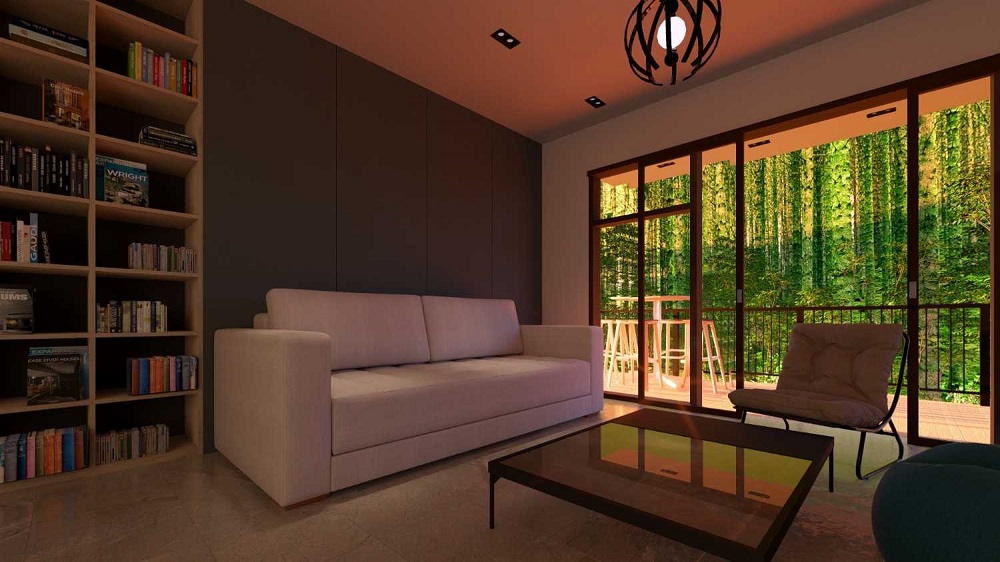
Natural light is the most valuable asset in interior design. Beyond its ability to make a room feel larger and more inviting, sunlight has profound effects on human psychology and physiology, including the regulation of circadian rhythms and the production of Vitamin D. A well-lit home reduces reliance on artificial electricity, slashes energy bills, and highlights the architectural nuances of a space.
However, many homeowners struggle with dark corridors, north-facing rooms, or layouts that seem to swallow light. Transforming these spaces requires more than just opening the curtains; it demands a strategic approach to color theory, material selection, and furniture placement.
The Power of a Reflective Color Palette
The most immediate way to amplify light is through the strategic use of color. The Light Reflectance Value (LRV) of a paint color determines how much light it reflects versus how much it absorbs.
Choosing the Right Whites
While it may seem simple to paint everything white, not all whites are created equal. In a room with limited natural light, a pure, cool white can often look gray or sterile. To combat this, designers often opt for whites with subtle warm undertones—such as cream, ivory, or pearl. These tones catch the meager light available and bounce it around the room without making the space feel cold.
Beyond White: Using Pastels and Neutrals
If a monochromatic white palette feels too clinical, light neutrals like greige, soft taupe, or pale blue are excellent alternatives. These colors maintain a high LRV while adding depth and personality. The key is to keep the ceiling a shade lighter than the walls, which creates an optical illusion of height and allows light to reflect downward into the living space.
Strategic Placement of Mirrors and Glass
Mirrors are essentially secondary windows. When placed correctly, they can double the amount of sunlight in a room by catching rays and redirecting them into darker corners.
-
Opposite the Window: Placing a large floor-to-ceiling mirror directly across from a primary light source is the most effective way to bounce light deep into a floor plan.
-
Gallery Walls with Glass: Using glass-fronted frames for artwork rather than matte finishes adds a subtle shimmer to walls that would otherwise absorb light.
-
Mirrored Furniture: Credenzas, side tables, or wardrobes with mirrored surfaces break up the visual bulk of heavy furniture and contribute to the overall brightness of the room.
Glass Transitions and Internal Windows
In traditional layouts, solid walls often block light from traveling between rooms. Replacing solid wooden doors with glazed doors or installing “internal windows” (transoms) above doorways allows light to flow from a sun-drenched living room into a windowless hallway.
Flooring and Surface Selections
The floor is the largest horizontal surface in any room, meaning it plays a massive role in light distribution. Dark hardwood or heavy carpeting can act as a light sink.
Reflective Flooring Materials
Polished surfaces are your best friend when maximizing light. Consider the following options:
-
Polished Concrete or Stone: These materials have a natural sheen that reflects light upward.
-
Light-Toned Hardwoods: Woods like ash, maple, or white oak have pale grains that brighten the foundation of a room.
-
Satin Finishes: If you prefer hardwood, choosing a satin or gloss finish over a matte finish will significantly increase the room’s luminosity.
The Role of Area Rugs
If replacing the flooring is not an option, large, light-colored area rugs can serve the same purpose. A jute rug in a natural sand tone or a cream wool rug can instantly lift the mood of a room with dark mahogany floors.
Window Treatments and External Factors
It is a common mistake to over-dress windows. Heavy velvet drapes or dark wooden blinds might offer privacy, but they also clip the wings of the sun.
Lightweight Fabrics
To maintain privacy without sacrificing light, utilize sheer fabrics like linen or voile. These materials diffuse harsh, direct sunlight into a soft, ethereal glow that fills the room. For evening privacy, a “double-track” system allows you to have sheers for the daytime and heavier blackout curtains that stay tucked to the sides during the day.
Clearing the Path
Sometimes the obstacle to natural light is outside. Overgrown shrubbery, low-hanging tree branches, or even dirty window panes can reduce light entry by up to 30 percent. Regular window cleaning and exterior landscaping are the most cost-effective “renovations” you can perform to brighten your home.
Furniture Arrangement and Minimalist Principles
A cluttered room is a dark room. Heavy, bulky furniture creates shadows and prevents light from circulating freely.
Low-Profile Furniture
Selecting furniture that sits lower to the ground keeps the sightlines open. When the view of the floor and the baseboards is unobstructed, light can travel further across the room. Avoid placing tall bookshelves or high-backed armchairs directly next to windows, as they cast long shadows across the interior.
Legged Pieces vs. Solid Bases
Furniture with “legs”—such as mid-century modern sofas or tapered-leg tables—creates a sense of “airiness.” Because you can see the light passing underneath the furniture, the room feels more expansive and illuminated. In contrast, “skirted” furniture or pieces that sit flat on the floor block the path of light.
Architectural Interventions
For those undergoing a more significant renovation, certain architectural changes can permanently solve light deficiencies.
-
Skylights and Solatubes: In rooms where wall space is limited, look to the ceiling. Skylights provide consistent light throughout the day. If a full skylight is structurally impossible, a “Solatube” (a reflective pipe that channels light from the roof) can bring natural light into windowless bathrooms or closets.
-
Widening Doorways: Opening up standard doorways into wide archways allows light to shared between rooms, creating a “borrowed light” effect.
-
Glass Backsplashes: In kitchens, replacing a tile backsplash with a window or a reflective glass panel can turn a dark workspace into a bright, functional area.
Artificial Lighting as a Supplement
While the goal is to maximize natural light, the transition into evening requires a thoughtful artificial lighting layer that mimics the sun. Use a “layered” approach:
-
Ambient: Overall illumination.
-
Task: Focused light for reading or cooking.
-
Accent: Highlighting architectural features.
Use “Daylight” balanced LED bulbs (approximately 5000K) in utility areas to mimic the spectrum of the sun, while using warmer tones in living areas to maintain a cozy atmosphere as the sun sets.
Frequently Asked Questions
How does the orientation of my house affect the type of light I receive?
North-facing rooms receive consistent but cool, bluish light throughout the day, which can make them feel chilly. South-facing rooms receive the most intense, warm sunlight. East-facing rooms are brightest in the morning, while west-facing rooms receive a strong, golden glow in the late afternoon and evening.
Can interior greenery help with light maximization?
While plants don’t reflect light, they thrive in it. Using plants with variegated leaves (leaves with white or yellow patches) can help brighten a corner. Furthermore, placing plants near windows creates a visual connection to the outdoors, which makes the indoor space feel more open and airy.
Is there a specific type of glass that lets in more light?
Low-E (low-emissivity) glass is designed to manage heat transfer, but it can sometimes have a slight tint. If your primary goal is maximum light, look for “high-transparency” glass options that minimize the iron content in the glass, which removes the slight green tint found in standard windows.
Should I avoid dark furniture entirely in a dim room?
Not necessarily. A few dark accents can provide much-needed contrast, making the lighter areas pop. However, the “bulk” of your furniture should be light. Use dark colors for thin elements like chair legs, picture frames, or small side tables rather than large sofas or wardrobes.
What is the best way to deal with a long, windowless hallway?
The best strategy for hallways is a combination of light-colored paint, a series of mirrors along one wall, and glazed internal doors leading to adjacent rooms. If the ceiling allows, a Solatube is the most effective way to bring actual sunlight into a landlocked corridor.
Do metallic accents help in brightening a space?
Yes, metals like brass, chrome, and polished nickel act similarly to mirrors. Incorporating metallic hardware on cabinets, light fixtures, and decorative bowls provides “sparkle points” that catch and throw light into the room.
How often should windows be cleaned to maintain light levels?
In urban environments or areas with high pollen, windows should be cleaned both inside and out at least once every three months. Dust, film, and water spots can significantly diffuse and dim the quality of light entering your home.
